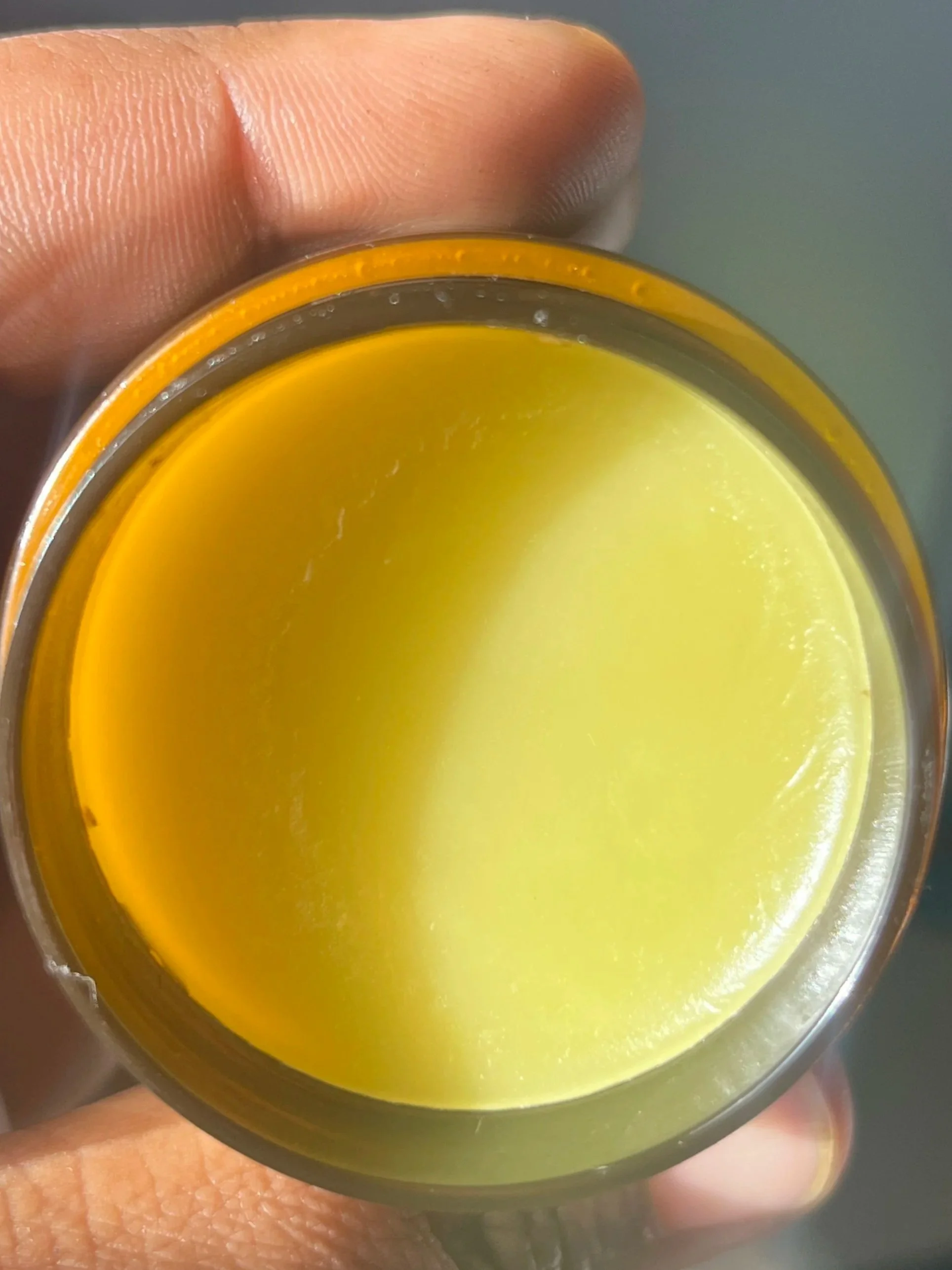
The Forest's First Aid: A Complete Guide to Pine Resin Salve
In our modern world of brightly packaged pharmaceuticals, it’s easy to overlook the powerful remedies that grow all around us. One of the most potent and versatile natural healers has been hiding in plain sight for millennia, oozing from the bark of pine trees. Welcome to the world of pine resin salve—nature’s original antibiotic ointment and so much more.
What is Pine Resin?
Before we delve into the salve, let’s meet the key ingredient: pine resin. That golden, sticky sap you might have encountered on a tree trunk during a hike isn't just tree "blood"—it's the tree's sophisticated defense system. When a pine is wounded, it secretes this resinous substance to seal the injury, protecting itself from insects, fungi, and infection. This innate antimicrobial and sealing property is exactly what makes it so miraculous for our own skin.
A Storied History of Healing
The use of pine resin is as old as human civilization itself. Ancient Egyptians used it in embalming processes and for treating wounds. Native American tribes across North America utilized it to waterproof baskets, seal seams in canoes, and as a fundamental medicine for cuts, burns, and respiratory ailments. In traditional European herbalism, it was a staple in the "country person's" medical kit. This isn't just folk medicine; it's time-tested, human wisdom.
The Science Behind the Sap: Key Properties
Why does it work so well? Pine resin is a complex blend of compounds, primarily terpenes like alpha- and beta-pinene. Modern studies have confirmed what traditional use has always shown:
Potent Antimicrobial: Effective against a broad spectrum of bacteria and fungi, making it ideal for preventing infection in minor wounds.
Anti-Inflammatory: Helps reduce swelling, redness, and pain associated with cuts, insect bites, and skin irritations.
Vulnerary (Wound-Healing): Promotes cell proliferation and tissue repair, speeding up the healing process.
Rubefacient: Creates a gentle, warming sensation when applied topically, which boosts local circulation.
The Many Uses of Pine Resin Salve
This humble salve is the ultimate multitasker in your natural wellness toolkit. Here’s what it can do:
1. The Ultimate First-Aid Ointment
Cuts & Scrapes: Cleanse the wound and apply a thin layer to disinfect and protect.
Burns & Sunburns: Its cooling, anti-inflammatory effect soothes minor burns (always after the burn has cooled).
Splinters & Glass: Known as a "drawing salve," it helps pull foreign objects to the surface of the skin.
2. Soother of Aches & Pains
Sore Muscles & Joints: The warming effect eases stiffness and aches. It's a favorite among those with arthritis or after strenuous activity.
Chest Congestion: Rubbed on the chest and throat (often combined with menthol or eucalyptus), the vapors and warmth can help relieve congestion.
3. Skin Saver
Chapped Skin & Lips: An excellent, protective balm for dry, cracked skin in harsh weather.
Blisters & Dry Cuticles: Protects and heals.
Crafting Your Own: A Simple Salve Recipe
Making your own pine resin salve is a rewarding way to connect with nature’s pharmacy. Always ensure you are harvesting resin sustainably and correctly identifying pine trees (consult a reliable guide).
You’ll Need:
1/2 cup pine resin (cleaned of bark and debris)
1 cup olive oil or coconut oil
1/2 cup beeswax pastilles
Optional: 20-30 drops of essential oils like lavender (for added healing) or eucalyptus (for chest rubs)
A double boiler
Fine strainer or cheesecloth
Small tins or jars
Instructions:
Infuse the Oil: In your double boiler, gently heat the pine resin with your carrier oil over low heat until the resin is fully melted and incorporated. This may take 20-30 minutes. Stir occasionally.
Strain: Carefully pour the hot mixture through a fine strainer or cheesecloth into a clean heat-proof container to remove any impurities.
Add Beeswax: Return the strained oil to the double boiler. Add the beeswax and stir until completely melted.
Test Consistency: Dip a spoon in the mixture and place it in the freezer for a minute. Check the firmness. Add more oil for a softer salve, or more beeswax for a firmer one.
Scent & Pot: Remove from heat. Stir in optional essential oils. Immediately pour into prepared tins or jars.
Cool & Set: Let the salve cool completely and solidify before putting on the lids. Label with the date and contents.
A Note of Caution & Respect
Allergy Test: Always do a patch test on a small area of skin before widespread use.
Not for Deep Wounds: This is for minor, external use only. Seek professional medical care for serious injuries or infections.
Sustainable Harvesting: Take only a small amount of resin from several trees, never stripping one tree completely. Never make a new wound on a healthy tree to harvest resin; look for natural wounds or existing deposits.
Embracing a Legacy of Natural Wellness
Pine resin salve is more than just a balm; it's a connection to a lineage of natural healing and a testament to the intelligence of the forest. It reminds us that sometimes the most powerful solutions are simple, slow, and sourced directly from the earth.
Keeping a tin in your backpack, kitchen, or medicine cabinet is like carrying a piece of the forest’s resilience with you—ready to heal, protect, and soothe whenever needed.